Journal
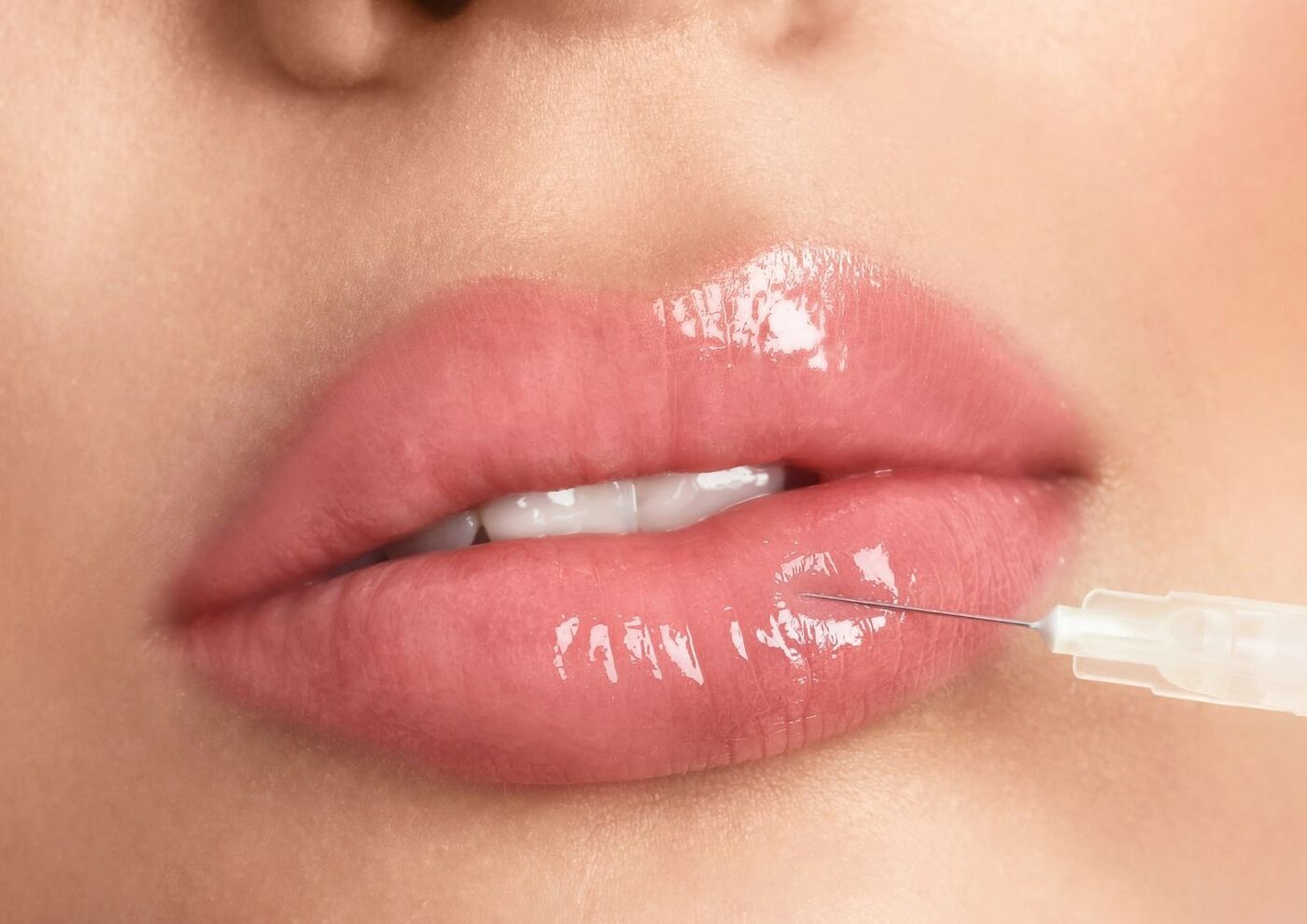
Good aftercare helps you get the best result and settle comfortably. Most people are back to normal quickly, but knowing what is normal, and what is not, gives real peace of mind. Your practitioner will give you tailored advice; this is a general guide.
Try to keep the area clean and avoid touching or massaging it unless you have been shown to. It is sensible to avoid strenuous exercise, alcohol, very hot environments such as saunas, and makeup over the area for the first day. Sleeping slightly propped up can help any puffiness settle.
Mild swelling, redness, tenderness and small bruises are common and usually settle within a few days to two weeks. You may feel small firm areas as the product integrates; these typically soften over the following weeks. Drinking water and resting helps.
Where possible, avoid other facial treatments, intense heat and excessive sun until everything has settled. If you have a dental appointment or a special event coming up, mention it at your consultation so we can plan timing around it.
Please get in touch promptly if you have increasing or severe pain, skin that turns pale or dusky, blistering, or any changes to your vision. These are uncommon, but they need prompt clinical attention, which is exactly why nurse-led care matters. You will always be given clear contact details for aftercare.
Have a question after your treatment? Contact us any time, or message us on WhatsApp.
Whatever treatment you are considering, make sure the person treating you is a registered healthcare professional. Not every treatment involves a prescription medicine: some, such as anti-wrinkle injections, are prescription only, while others, such as dermal fillers, skin boosters and polynucleotides, are not. Where a treatment is a prescription only medicine, it must be prescribed by a qualified prescriber who assesses you in person, because remote prescribing is not allowed. If your practitioner is not a prescriber, it is completely reasonable to ask who their prescriber is and whether that person will see you face to face. A registered nurse who is not an independent prescriber can still treat you safely, as long as a prescriber has assessed you first.
Thinking about treatment? Book a free, no-pressure consultation with Shelley.
Book a ConsultationThis article is general information, not medical advice. All treatments require a consultation and, where relevant, a prescription. 18+ only. Individual results may vary. Shelley Jones is a registered nurse (NMC).