Journal
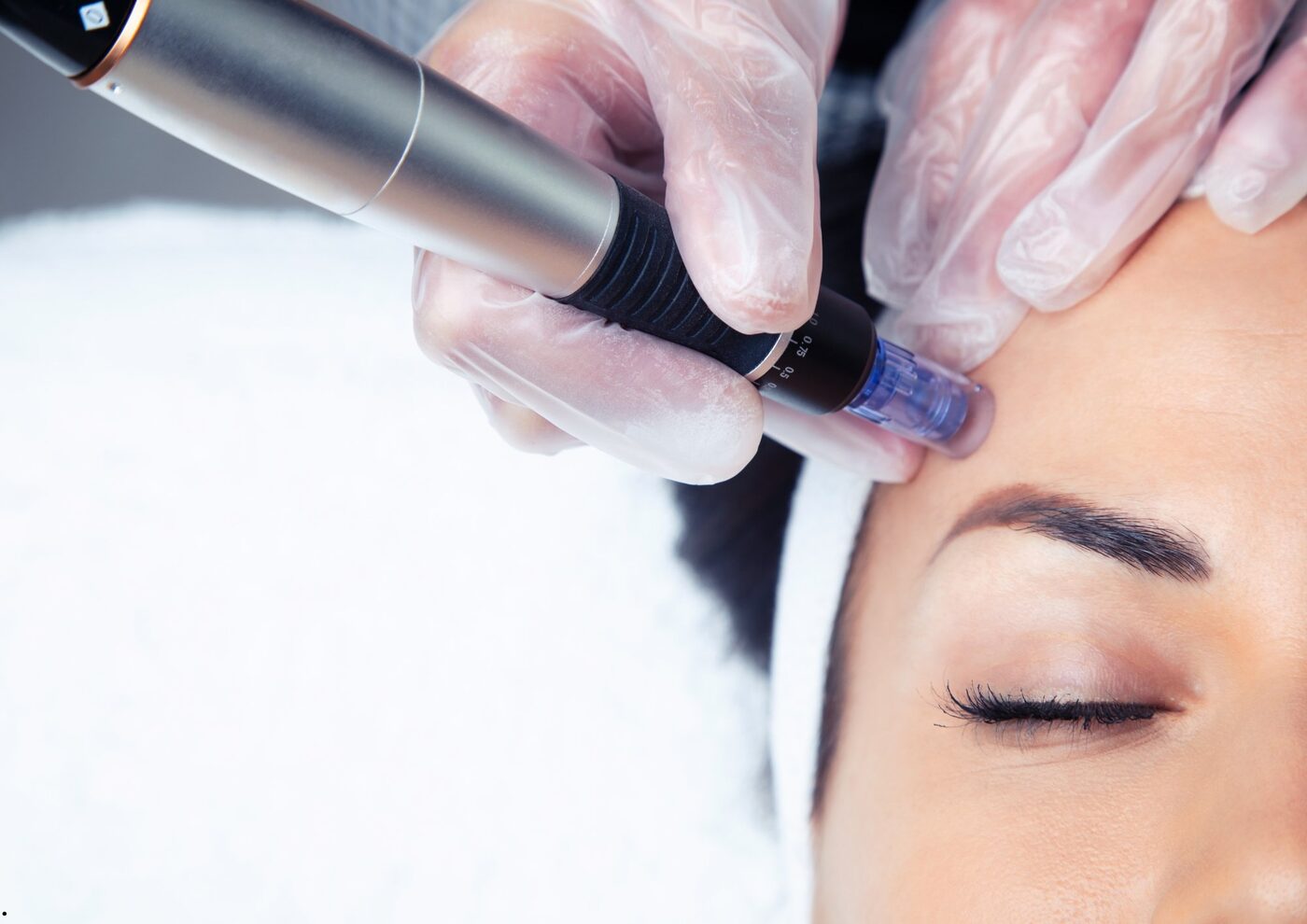
Polynucleotides are one of the most talked about treatments in skin health right now, and one of the most misunderstood. They are not a filler and not anti-wrinkle injections. They sit in a newer category often called regenerative aesthetics, where the focus is on the quality and health of the skin itself.
Polynucleotides are injectable treatments that support the skin's own repair processes. Rather than adding volume or relaxing muscles, they work with your skin over time to improve hydration, texture and overall condition. Because they are about skin quality, the results tend to look natural and understated.
By supporting hydration and the skin's natural renewal, polynucleotides can help the skin look fresher, smoother and more resilient. Results build gradually over a course of treatments, so this is a steady, long term approach rather than an instant fix.
People often consider them for tired, dull or crepey skin, for the delicate under eye area, and for general skin quality. They are not designed to change facial shape or to freeze movement, so honest expectations matter. At your consultation we will talk through whether they suit your skin and your goals, or whether something else would serve you better.
Polynucleotides are usually given as a short course of sessions a few weeks apart, with occasional maintenance afterwards. The exact plan depends on your skin, which is why every treatment begins with an assessment rather than a fixed package.
As with any treatment, suitability is checked at a face to face consultation, including your medical history. If you are curious how polynucleotides compare with skin boosters or other options, that is exactly the kind of thing we will talk through honestly together.
Want to know if polynucleotides suit your skin? Get in touch or book a free consultation for an honest assessment.
Whatever treatment you are considering, make sure the person treating you is a registered healthcare professional. Not every treatment involves a prescription medicine: some, such as anti-wrinkle injections, are prescription only, while others, such as dermal fillers, skin boosters and polynucleotides, are not. Where a treatment is a prescription only medicine, it must be prescribed by a qualified prescriber who assesses you in person, because remote prescribing is not allowed. If your practitioner is not a prescriber, it is completely reasonable to ask who their prescriber is and whether that person will see you face to face. A registered nurse who is not an independent prescriber can still treat you safely, as long as a prescriber has assessed you first.
Thinking about treatment? Book a free, no-pressure consultation with Shelley.
Book a ConsultationThis article is general information, not medical advice. All treatments require a consultation. 18+ only. Individual results may vary. Shelley Jones is a registered nurse (NMC).